

Get ready to bring the energy of a Chinese street stall right into your home kitchen with Savory Stir-Fried Chinese Chow Mein. This dish tosses tender slices of chicken, crisp carrots, cabbage, and bean sprouts with springy noodles in a luscious soy-and-oyster sauce, delivering that perfect balance of umami, crunch, and warmth. With vibrant aromatics like garlic and ginger sizzling in a hot wok, every forkful bursts with flavor and texture. It’s the ultimate midweek stir-fry that’ll have everyone reaching for seconds – trust me, you’ll want to dive right in.
Key Ingredients
Before you fire up the wok, let’s gather these star players that make every strand of noodle shine:
- 8 ounces fresh Chinese egg noodles or dried chow mein noodles: Springy foundation that holds the sauce and provides that irresistible chew.
- 1 tablespoon soy sauce (for marinating): Adds savory umami and tenderizes the chicken.
- 1 teaspoon cornstarch (for marinating): Creates a light coating on the chicken for a silky texture when stir-fried.
- 1 teaspoon sesame oil (for marinating): Infuses the meat with a subtle nutty aroma.
- 8 ounces boneless, skinless chicken breast or thigh, thinly sliced: Tender protein that soaks up all the marinade flavors.
- 3 tablespoons light soy sauce: Base for the sauce, bringing bright saltiness.
- 1 tablespoon oyster sauce: Deepens the umami profile with a hint of sweetness.
- 1 tablespoon dark soy sauce: Adds color and a richer, caramelized soy flavor.
- 1 teaspoon granulated sugar: Balances salt and rounds out savory notes.
- 2 teaspoons cornstarch (for sauce): Thickens the sauce so it clings beautifully to the noodles.
- ½ cup chicken broth or low-sodium stock: Provides a silky base and extra depth.
- ½ teaspoon ground white pepper: Offers a gentle heat that complements the soy.
- 1 teaspoon toasted sesame oil (for sauce): Final drizzle for that unmistakable toasty finish.
- 2 tablespoons neutral cooking oil (vegetable, canola, or peanut): Ensures a super-hot wok and prevents sticking.
- 3 garlic cloves, finely minced: Bursts of pungent flavor in every bite.
- 1-inch piece fresh ginger, peeled and minced: Zesty warmth that brightens the stir-fry.
- ½ medium yellow onion, thinly sliced: Adds a sweet-savory crunch and body.
- 1 medium carrot, cut into matchsticks: Colorful crunch with mild sweetness.
- 1 cup shredded green cabbage: Softens slightly to bring both texture and volume.
- ½ cup bean sprouts, rinsed and drained: Fresh, hydrating crunch.
- 2 scallions, cut into 2-inch lengths: Sharp, fresh onion notes for garnish and finish.
- Optional garnish: toasted sesame seeds or extra sliced scallions: Final touch for visual appeal and sesame flavor.
How To Make Savory Stir-Fried Chinese Chow Mein
Once you’ve gathered your ingredients, it’s time to turn up the heat and dance around the wok! From marinating the chicken to perfectly cooking al dente noodles and crafting that glossy sauce, these steps will guide you through a fast-paced, high-heat stir-fry that locks in flavor and texture. With quick sears, strategic timing, and a final toss that brings everything together, you’ll have authentic chow mein on the table in just about half an hour.
1. Marinate protein: In a medium bowl, combine 1 tablespoon soy sauce, 1 teaspoon cornstarch, and 1 teaspoon sesame oil with the thinly sliced chicken. Toss thoroughly to coat each piece, then let it rest at room temperature for at least 10 minutes to tenderize and infuse flavor.
2. Prep noodles: Bring a large pot of water to a rolling boil. Add the noodles and cook until just al dente (2–3 minutes for fresh, 4–5 for dried). Drain and rinse under cold water to halt cooking, then toss with a light drizzle of oil to keep strands separate. Set aside.
3. Make sauce: In a small bowl, whisk together 3 tablespoons light soy sauce, 1 tablespoon oyster sauce, 1 tablespoon dark soy sauce, 1 teaspoon sugar, 2 teaspoons cornstarch, ½ cup chicken broth, ½ teaspoon white pepper, and 1 teaspoon toasted sesame oil until fully dissolved. Keep this savory mixture within arm’s reach.
4. Heat the wok: Place a wok or large skillet over high heat until it’s very hot but not smoking. Add 1 tablespoon neutral oil and swirl to coat the surface evenly.
5. Aromatics and protein: Toss in the minced garlic and ginger, stir-frying for about 10 seconds until fragrant. Add the marinated chicken, spread it into a single layer, and let it sear untouched for 30 seconds. Stir-fry for an additional 1–2 minutes until the chicken is about 80% cooked. Remove and set aside.
6. Stir-fry vegetables: Add the remaining 1 tablespoon oil to the wok, then the sliced onion and carrot matchsticks. Stir-fry for 1 minute until they soften. Add cabbage and bean sprouts, tossing for another 30–60 seconds until crisp-tender.
7. Combine and sauce: Return the chicken to the wok, add the cooked noodles, and pour the sauce evenly over everything. Use tongs or two spatulas to toss vigorously for 1–2 minutes until the sauce thickens and coats each noodle.
8. Finish and serve: Toss in the scallions, drizzle an extra teaspoon of toasted sesame oil if desired, and transfer to a platter. Garnish with toasted sesame seeds or extra scallions and serve piping hot.
Serving Suggestions
This Savory Stir-Fried Chinese Chow Mein shines on its own but also pairs spectacularly with a few extras to round out your meal. Whether you want to add contrast with cool sides or make it part of a multi-dish spread, these ideas will elevate your presentation and palate. From zesty pickles to crisp cucumber salads, there’s something here to balance the rich, umami-packed noodles and keep every bite exciting.
- Serve with chilled cucumber salad tossed in rice vinegar, sesame oil, and a pinch of sugar to add a refreshing, tangy crunch.
- Pair alongside hot-and-sour soup or egg drop soup to create a comforting Chinese-American dinner that warms and satisfies.
- Offer homemade kimchi or pickled vegetables for a spicy, acidic counterpoint that cuts through the glossy sauce.
- Garnish plates with lime wedges and extra scallions, encouraging guests to squeeze and scatter for a fresh citrus lift.
Tips For Perfect Savory Stir-Fried Chinese Chow Mein
Mastering a restaurant-quality chow mein at home is all about timing, ingredient swaps, and seasoning balance. Keep your wok screaming hot, prep everything before you start, and trust the sizzle when you stir-fry. Feel free to play with protein and veggie options while adjusting seasoning to your taste buds—this recipe is forgiving and customizable. With just a few insider moves, you’ll transform a quick stir-fry into a crowd-pleaser that tastes like real-deal street food.
- For authentic texture, use fresh Chinese egg noodles; thin spaghetti or lo mein noodles make suitable substitutes if you can’t find fresh.
- To make a vegetarian version, swap the chicken for firm tofu or extra mushrooms, and use vegetable broth in the sauce.
- Adjust the oyster sauce and light soy sauce quantities to taste for a milder or saltier finish—start with less and add more as needed.
- For a spicy kick, stir in 1 teaspoon of chili garlic sauce during step 7 or garnish with sliced fresh chilies.
How To Store It
Proper storage ensures your chow mein stays tasty and retains its pleasant textures when enjoyed later. Whether you’re saving leftovers for a quick lunch or planning ahead for meal prep, follow these simple guidelines to maintain that perfect balance of saucy noodles and crisp veggies without turning soggy or dull.
- Refrigeration: Cool the chow mein to room temperature, then pack into an airtight container. Refrigerate for up to 3 days, reheating gently to avoid overcooking.
- Freezing: Spread leftovers on a baking sheet to flash-freeze for 30 minutes, then transfer to a freezer-safe bag. Freeze for up to 1 month. Thaw overnight in the fridge before reheating.
- Reheating: Warm in a skillet over medium heat with a splash of water or oil, tossing constantly until heated through to restore the original texture.
- Microwave: Place chow mein in a microwave-safe dish, cover loosely, and heat in 1-minute intervals, stirring in between, until just warmed to prevent rubberiness.
Frequently Asked Questions
Got questions? Here are some quick answers to common curiosities about this chow mein recipe:
- How long does it take to prepare and cook this savory stir-fried Chinese chow mein?
It takes about 30–35 minutes in total. This includes 10 minutes to marinate the chicken, 3–5 minutes to boil and rinse the noodles, 5 minutes to make the sauce and prep aromatics and vegetables, and 10–15 minutes of stir-frying in batches for the protein, vegetables, and final assembly.
- Can I use dried chow mein noodles if I can’t find fresh Chinese egg noodles?
Yes. For dried chow mein or thin spaghetti, boil for 4–5 minutes until just al dente, then drain and rinse under cold water immediately to halt cooking. Toss with a light drizzle of neutral oil to prevent sticking, just as you would with fresh noodles, before stir-frying.
- How do I keep the noodles from clumping together during stir-frying?
After draining, rinse the noodles under cold water and gently toss them with a teaspoon of neutral oil. During the final stir-fry, use tongs or two spatulas to lift and toss constantly so each strand separates and gets evenly coated with sauce.
- What adjustments should I make if I want a vegetarian version?
Replace the chicken with firm tofu cut into thin strips or a mix of mushrooms. Marinate tofu with the same soy, cornstarch, and sesame oil. Swap the chicken broth in the sauce for vegetable broth or water, and proceed with the same cooking steps.
- My finished chow mein tastes too salty. How can I balance the seasoning?
Reduce the light soy sauce by a teaspoon or skip the dark soy in the sauce. You can add a splash of water or unsalted broth to dilute. A pinch of sugar also helps round out excess saltiness. Next time, taste the sauce before adding it to the wok and adjust accordingly.
- How do I get the sauce to cling to every noodle without becoming gummy?
Make sure your cornstarch slurry in the sauce is well dissolved. Add the sauce all at once over high heat and toss vigorously for just 1–2 minutes until it thickens. Overcooking can make it gluey, so remove from heat as soon as it coats the noodles.
- Can I prepare any elements of this recipe in advance?
Yes. You can slice and marinate the chicken up to 2 hours ahead and keep it refrigerated. Vegetables can be washed, sliced, and stored covered in the fridge. Cook and oil the noodles, then store them airtight for a few hours before stir-frying. Assemble and stir-fry components just before serving for best texture.
What Makes This Special
This Savory Stir-Fried Chinese Chow Mein checks all the boxes: speedy prep, big bold flavors, and that satisfying crunch-meets-silkiness moment we all crave. It works because of the high-heat wok magic that sears the chicken, the flash-cooked veggies that stay crisp-tender, and the glossy sauce that clings to every noodle. Whether you’re chasing weekday dinners or impressing friends with an authentic street-food vibe, this recipe never disappoints. Go ahead and print it, save it, or bookmark – just don’t forget to drop me a comment if you whip it up (and yes, tell me how many seconds it takes you to polish it off!).
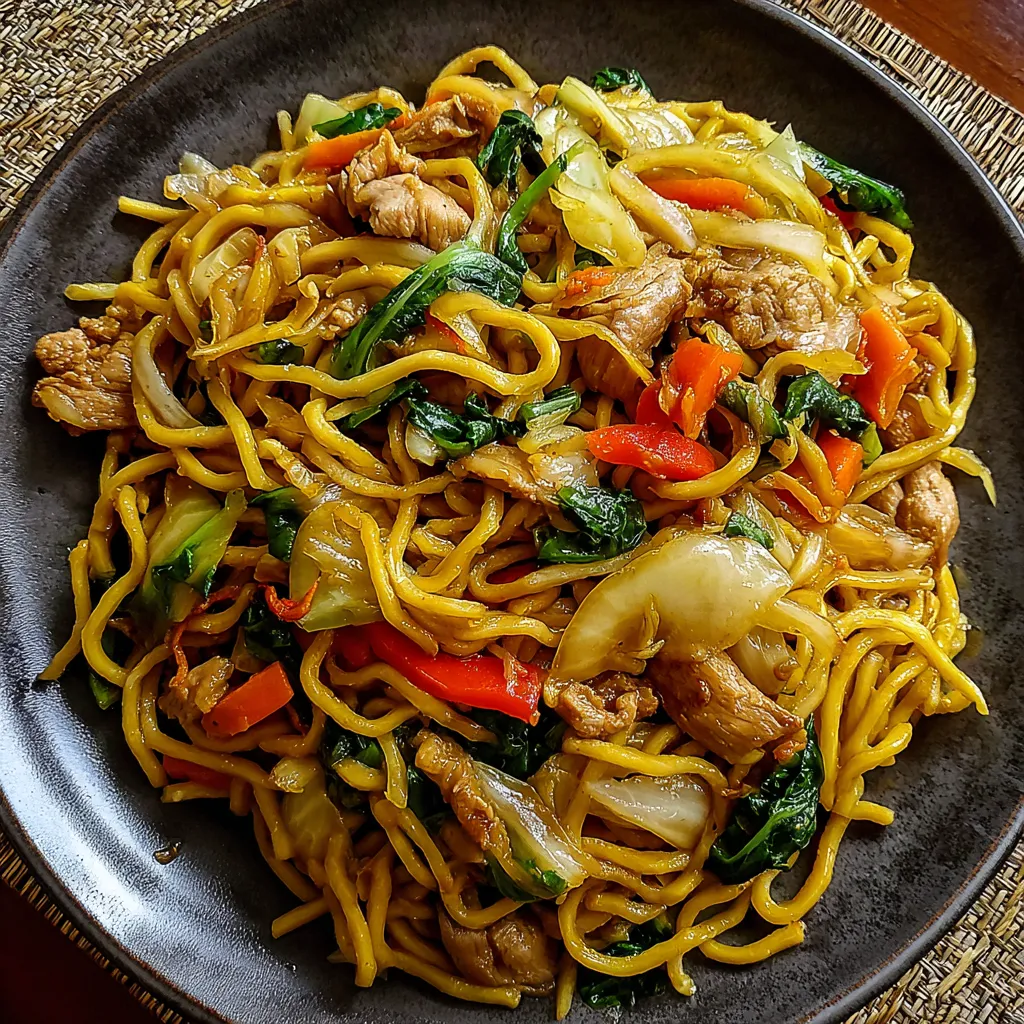

Savory Stir-Fried Chinese Chow Mein
Description
Tender chicken sizzles with garlic and ginger as crisp carrots, cabbage, and bean sprouts mingle with springy noodles in a rich, umami-packed soy and oyster sauce. Each bite bursts with texture and flavor.
Ingredients
Instructions
-
Marinate protein: In a bowl, combine 1 tablespoon soy sauce, 1 teaspoon cornstarch, 1 teaspoon sesame oil and the sliced chicken. Toss to coat evenly and let rest for at least 10 minutes.
-
Prep noodles: Bring a large pot of water to a rolling boil. Add the noodles and cook according to package directions until just al dente, usually 2–3 minutes for fresh noodles or 4–5 minutes for dried. Drain and rinse immediately under cold water to stop cooking. Toss with a light drizzle of oil to prevent sticking and set aside.
-
Make sauce: In a small bowl, whisk together 3 tablespoons light soy sauce, 1 tablespoon oyster sauce, 1 tablespoon dark soy sauce, 1 teaspoon sugar, 2 teaspoons cornstarch, ½ cup chicken broth, ½ teaspoon white pepper and 1 teaspoon toasted sesame oil. Stir until sugar and cornstarch dissolve. Set aside.
-
Heat the wok or a large skillet over high heat until very hot but not smoking. Add 1 tablespoon of oil and swirl to coat.
-
Aromatics and protein: Add the minced garlic and ginger. Stir-fry for about 10 seconds until fragrant, then add the marinated chicken. Spread it out in a single layer and let it sear without moving for 30 seconds. Stir-fry until the chicken is about 80 percent cooked through, about 1–2 minutes. Remove the chicken from the wok and set aside.
-
Stir-fry vegetables: Add the remaining tablespoon of oil to the wok. Add sliced onion and carrot matchsticks. Stir-fry for about 1 minute until they begin to soften. Add shredded cabbage and bean sprouts. Toss and stir for another 30 seconds to 1 minute until vegetables are crisp-tender.
-
Combine and sauce: Return the chicken to the wok. Add the cooked noodles, pouring the prepared sauce evenly over the top. Using tongs or two spatulas, toss vigorously to coat every strand of noodle and heat through, 1–2 minutes. The sauce will thicken and cling to the noodles.
-
Finish and serve: Add the scallions and give one final toss. Drizzle an extra teaspoon of toasted sesame oil if desired. Transfer to a serving platter or individual plates and garnish with toasted sesame seeds or extra scallions.
Note
- For authentic texture, use fresh Chinese egg noodles; approximate substitutes are thin spaghetti or lo mein noodles.
- To make a vegetarian version, swap the chicken for firm tofu or extra mushrooms and use vegetable broth in the sauce.
- Adjust the oyster sauce and soy sauce quantities to taste for a milder or saltier finish.
- For a spicy kick, add a teaspoon of chili garlic sauce during step 7 or garnish with sliced fresh chilies.