Hibachi Steak
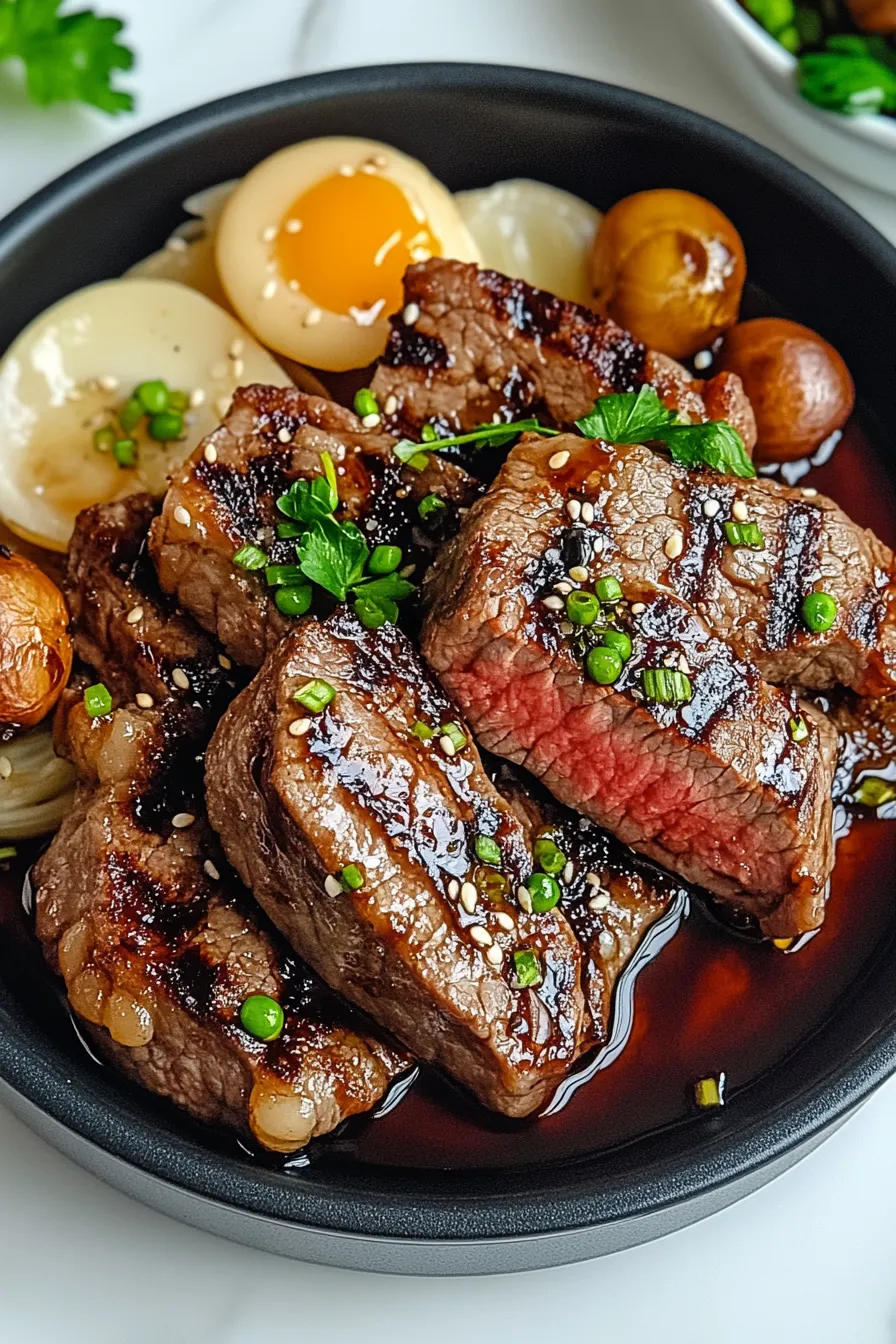
Sizzling steak, garlicky butter, and warm soy undertones come together in this hibachi-style masterpiece that you’ll want to share with friends and family. Every component of this recipe—from the tender ribeye to the tangy lemon finish—plays a part in delivering that authentic restaurant vibe right in your kitchen. You’ll harness the power of simple pantry staples like sesame oil, teriyaki sauce, and Worcestershire sauce to build layers of umami that sing on your palate. It’s an interactive cooking experience where you get to sear, simmer, and spoon sauce over your steaks, creating mouthwatering, melt-in-your-mouth morsels that practically beg to be devoured.
This hibachi steak recipe is classified as Intermediate difficulty, making it perfect for passionate home cooks who are ready to level up their steak game. With just 10 minutes of preparation, 12 minutes of cooking, and a brief 5-minute rest, you’ll be plating restaurant-quality dinner in under half an hour. Clocking in at around 740 calories per serving, these slices of savory bliss are substantial enough to satisfy hearty appetites while offering a bright hint of lemon to cut through the richness. Whether it’s a special weeknight treat or a weekend gathering, this adventurously flavorful dish checks all the boxes: garlic butter steak, soy sesame sauce, and teriyaki steak all rolled into one sensational meal.
KEY INGREDIENTS IN HIBACHI STEAK
Every component in this hibachi steak recipe plays a crucial role in building those deep, savory layers of flavor. From the luxurious fat in a well-marbled cut to the bright pops of citrus, each ingredient works in harmony to recreate the hibachi experience at home.
- Boneless ribeye steaks (or your preferred cut of steak)
This is the hero of the dish, offering rich marbling and tenderness. Ribeye’s fat content ensures a juicy, flavorful sear that stands up to the bold sauces and spices.
- Vegetable oil
A neutral oil with a high smoke point, perfect for achieving that signature sear without burning or smoking too quickly.
- Butter
Adds richness and a velvety texture to the sauce as it melts, while carrying the minced garlic and other aromatics to coat the steak.
- Garlic, minced
Brings pungent, sweet warmth and depth, creating the backbone of the garlicky buttery sauce that hugs every slice of steak.
- Soy sauce
Provides salty, umami-packed complexity that balances the fatty richness of the steak and butter.
- Sesame oil
Infuses a toasty, nutty aroma, rounding out the savory profile and echoing those classic hibachi flavors.
- Teriyaki sauce
Delivers a sticky-sweet glaze, harmonizing with soy and sesame for a glossy, finger-licking finish.
- Worcestershire sauce
Offers tangy, fermented notes that cut through the richness and add an extra layer of savory intrigue.
- Fresh lemon juice
Brightens the entire dish with a zesty pop, emphasizing the flavors and preventing the sauce from feeling too heavy.
- Salt and pepper, to taste
Essential seasonings that enhance all the other ingredients and ensure the steak’s natural flavors shine.
- Crushed red pepper flakes (optional for heat)
Sprinkle a little if you crave a gentle kick that wakes up the palate without overpowering the umami richness.
- Garlic powder
Boosts the garlic flavor and helps create a well-rounded crust during seasoning.
- Onion powder
Adds subtle sweetness and depth, filling out the spice rub and giving complexity to the sear.
- Fresh parsley, chopped (for garnish)
Provides a pop of color and a fresh, herbal note that balances the bold sauce when sprinkled over the finished steak.
HOW TO MAKE HIBACHI STEAK
Get ready to transform your kitchen into a sizzling hibachi table. In this section, you’ll follow step-by-step instructions that cover everything from preparing and seasoning your steaks to creating that mouthwatering sauce.
1. Begin by preparing your steaks. Pat them dry with paper towels to remove excess moisture, then season both sides generously with salt, pepper, garlic powder, and onion powder. Let the steaks sit at room temperature for about 15–20 minutes. This step ensures even cooking and helps the seasoning penetrate the meat.
2. Heat a cast-iron skillet or hibachi-style grill pan over medium-high heat. Add the vegetable oil and let it heat until it shimmers but does not smoke. A properly heated pan is crucial for achieving that perfect sear.
3. Place the steaks in the pan and sear them for about 3–4 minutes on each side. Cooking time will vary based on thickness and desired doneness: aim for an internal temperature of 130°F (54°C) for medium-rare, 140°F (60°C) for medium, or 160°F (71°C) for well-done.
4. Once the steaks reach your preferred doneness, reduce the heat to medium. Add the butter to the pan, allowing it to melt and foam. Then incorporate the minced garlic, soy sauce, sesame oil, teriyaki sauce, Worcestershire sauce, and lemon juice. Stir the ingredients to combine and ensure the steaks are thoroughly coated in the flavorful mixture.
5. Let the sauce simmer and bubble for 1–2 minutes, using a spoon to continually baste the steaks. This keeps the meat moist and encourages the flavors to intensify.
6. Remove the steaks from the skillet and place them on a cutting board to rest for 5 minutes. Resting allows the juices to redistribute, keeping the steak tender and juicy when sliced.
7. Slice the steaks against the grain into thin strips. This technique breaks up muscle fibers and delivers a tender bite.
8. Arrange the sliced steak on a platter and drizzle the remaining sauce from the pan over the top. Finish with a sprinkle of freshly chopped parsley for color and a hint of freshness. Serve immediately alongside your favorite sides.
SERVING SUGGESTIONS FOR HIBACHI STEAK
When it comes to plating hibachi steak, presentation and complementary flavors make all the difference. These serving ideas will ensure your meal looks as good as it tastes.
- Classic Hibachi Vegetables
Serve alongside a vibrant medley of teppanyaki-style zucchini, onions, and mushrooms sautéed in a touch of soy and sesame oil. The tender-crisp vegetables echo the steak’s smoky notes.
- Steamed White Rice or Fried Rice
A bed of fluffy steamed rice lets the saucy steak juices soak in, while fragrant fried rice with scrambled eggs, peas, and carrots adds texture and color to the plate.
- Garlic Butter Noodles
Tangle up a nest of noodles tossed in extra garlic butter and a splash of soy sauce. The noodles soak up every trace of the umami-packed sauce, making each bite decadent.
- Refreshing Cucumber Salad
Balance the richness with a quick salad of thinly sliced cucumbers tossed in rice vinegar, sesame oil, and a pinch of sugar. The crisp, tangy crunch offers a palate-cleansing contrast.
HOW TO STORE HIBACHI STEAK
If you find yourself with leftovers (or simply want to prep ahead), proper storage is key to keeping your hibachi steak tasting fresh. Follow these tips to maintain flavor and texture.
To keep the steak at its best, let it cool to room temperature before storing. Transfer the sliced steak and any extra sauce into an airtight container. The sauce acts like a protective glaze and prevents the meat from drying out.
- Refrigeration (Up to 3 Days)
Store in an airtight container in the coldest part of your fridge. Reheat gently in a skillet over low heat with a splash of water or sauce to prevent the steak from becoming tough.
- Freezing (Up to 2 Months)
Wrap slices individually in plastic wrap before placing them in a freezer-safe bag. This prevents ice crystals from forming on the meat. Thaw overnight in the refrigerator and reheat slowly.
- Vacuum Sealing
For optimal longevity, use a vacuum sealer to lock out air and retain moisture. Label with the date and freeze for up to two months. Sous-vac style reheating in warm water or a skillet preserves texture.
- Separate Sauce Storage
If you anticipate a long storage period, keep the sauce in a separate container. Combine just before reheating to ensure the steak doesn’t become overly salty and the sauce retains its glossy sheen.
CONCLUSION
What a flavorful journey we’ve taken, transforming simple ingredients into a sizzling hibachi steak experience right in your own kitchen. From the first sizzle of the seasoned ribeye hitting the hot skillet to the final drizzle of that garlicky butter-soy-teriyaki sauce, every step is designed to build layers of umami-packed delight. You’ve learned how to achieve a perfect sear, the importance of letting the steak rest, and the magic that happens when you spoon that rich, aromatic sauce over the meat. Whether you’re serving it up with crisp hibachi vegetables, fluffy rice, or buttery noodles, this recipe adapts to your personal preferences and ensures that every bite remains tender, juicy, and bursting with savory goodness.
Be sure to print this article or save it for later so you can revisit the tips and techniques whenever you crave a restaurant-style hibachi meal at home. And if you’re looking for even more insight, you’ll find a helpful FAQ below to answer common questions about cuts, seasoning adjustments, and reheating methods. I’d love to hear how your hibachi steak turns out—drop a comment or question if you need help, have feedback to share, or want to swap your own creative twists on this dish. Your cooking adventures and kitchen stories make this community shine, and I can’t wait to see what you cook up next!
Hibachi Steak
Experience tender, juicy ribeye seared to perfection and drenched in a garlicky buttery sauce infused with soy, sesame, and teriyaki. Each bite bursts with umami richness and a hint of lemony brightness.
- Preparation time
- 10 min
- Cooking time
- 12 min
- Rest time
- 5 min
- Calories
- 740
- Difficulty
- intermediate
Ingredients
- 2 boneless ribeye steaks (or your preferred cut of steak)
- 2 tablespoons vegetable oil
- 2 tablespoons butter
- 3 cloves garlic, minced
- 1 tablespoon soy sauce
- 1 tablespoon sesame oil
- 1 tablespoon teriyaki sauce
- 1 teaspoon Worcestershire sauce
- 1 teaspoon fresh lemon juice
- Salt and pepper, to taste
- 1/2 teaspoon crushed red pepper flakes (optional for heat)
- 1/2 teaspoon garlic powder
- 1/2 teaspoon onion powder
- Fresh parsley, chopped (for garnish)
Instructions
- Begin by preparing your steaks. Pat them dry with paper towels and season both sides generously with salt, pepper, garlic powder, and onion powder. Let the steaks sit at room temperature for about 15-20 minutes to ensure even cooking.
- Heat a cast-iron skillet or hibachi-style grill pan over medium-high heat. Add the vegetable oil and let it heat up until it starts to shimmer, but not smoke.
- Place the steaks in the pan and sear them for about 3-4 minutes on each side, depending on the thickness and how well-done you prefer your steak. For medium-rare, aim for an internal temperature of around 130°F (54°C), medium around 140°F (60°C), and well-done around 160°F (71°C).
- Once the steaks are seared to your desired doneness, reduce the heat to medium. Add the butter to the pan, allowing it to melt. Add the minced garlic, soy sauce, sesame oil, teriyaki sauce, Worcestershire sauce, and lemon juice. Stir the ingredients to combine and coat the steaks in the flavorful sauce.
- Let the sauce simmer and bubble for 1-2 minutes, spooning the sauce over the steaks to keep them moist and flavorful.
- Remove the steaks from the skillet and let them rest for 5 minutes before slicing. This helps the juices redistribute and keeps the steaks tender.
- Slice the steaks against the grain into thin strips. Drizzle the remaining sauce from the pan over the sliced steak.
- Garnish with freshly chopped parsley and serve immediately with your choice of sides, such as grilled vegetables, fried rice, or steamed rice.
Notes
- For an extra touch of flavor, you can add a little bit of sesame seeds to the sauce while it simmers.
- This recipe is perfect for a hibachi-style meal at home, and you can customize the sauces to your liking. If you enjoy a bit of heat, add some crushed red pepper flakes or chili paste to the sauce.
- If you don’t have a hibachi grill, a cast-iron skillet works just as well to achieve that delicious sear.
Frequently Asked Questions
How long does it take to prepare and cook this hibachi steak recipe?
Total time is about 35–40 minutes. This includes 15–20 minutes for seasoning the steaks and bringing them to room temperature, 6–8 minutes searing (3–4 minutes per side), 1–2 minutes simmering the sauce, and a 5-minute rest before slicing.
Can I use a different cut of steak if I don’t have ribeye?
Yes. Sirloin, New York strip, or flank steak work well. Adjust searing times for thickness—thinner cuts may need just 2–3 minutes per side, while thicker cuts like strip steak may need an extra minute or two.
How do I know when the steak has reached the right doneness?
Use an instant-read thermometer: 130°F (54°C) for medium-rare, 140°F (60°C) for medium, and 160°F (71°C) for well-done. Remove the steak from the heat 3–5°F below your target, as carryover cooking will raise the temperature during the resting period.
Can I make this recipe spicy?
Absolutely. Stir ½–1 teaspoon crushed red pepper flakes into the sauce as it simmers, or add a small dollop of chili garlic paste or Sriracha to taste. Adjust gradually to avoid overpowering the other flavors.
Do I need a hibachi grill, or can I use something else?
A cast-iron skillet or heavy grill pan works just as well. The key is high, even heat and a well-seasoned surface to achieve that characteristic sear and crust.
What are the best sides to serve with hibachi steak?
Traditional hibachi sides include fried rice, steamed white or fried rice, grilled vegetables (zucchini, onions, mushrooms, peppers), or a simple side salad. A scoop of garlic butter rice or a drizzle of extra sauce elevates the meal.
How should I store and reheat leftovers?
Cool the sliced steak and sauce to room temperature, then refrigerate in an airtight container for up to 3 days. To reheat, gently warm in a skillet over medium heat, spooning sauce over the meat to keep it moist, or microwave in short intervals, stirring and checking temperature.