Beef Stew and Dumplings
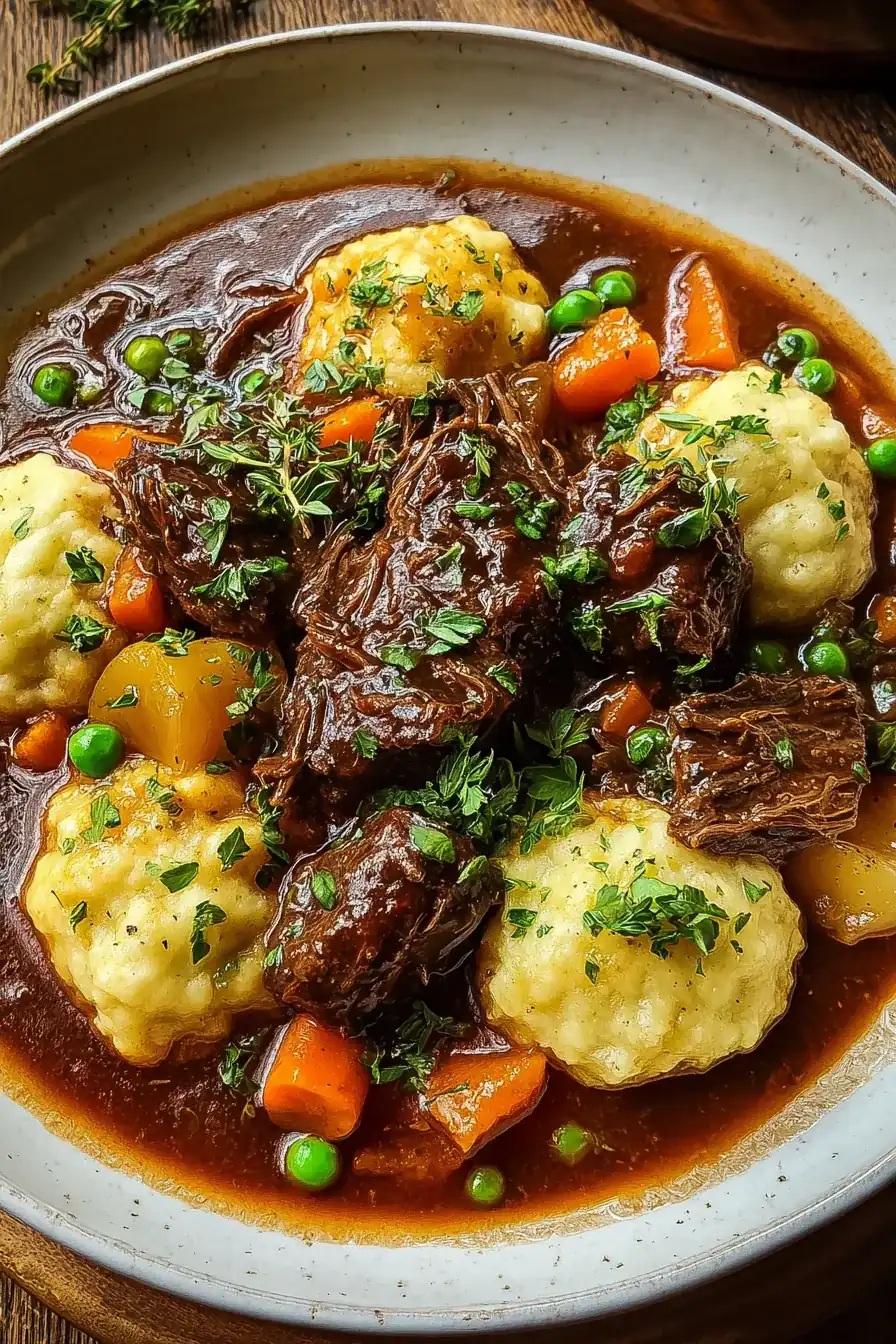
There’s an unmistakable magic in stirring a bubbling pot of rich, savory beef stew, dotted with tender vegetables, until it’s just the right consistency. Each spoonful carries layers of deep flavor—from the caramelized onions and garlic that form the aromatic base to the hearty beef that’s been lovingly seared to lock in every drop of juiciness. As the stew simmers away, the kitchen fills with comforting scents that promise warmth and satisfaction long before the first taste. When you nestle fluffy, herb-speckled dumplings atop that velvety broth, you’ve truly elevated comfort food to an art form.
What makes this beef stew and dumplings recipe so special is how each component plays its part in creating a symphony of taste and texture. The carrots and potatoes soften to a delicate bite, the frozen peas add a pop of sweetness, and the dumplings rise into light pillows that soak up all those rich juices. Whether you’re cooking for a cozy family dinner, hosting friends on a chilly evening, or simply craving a dish that feels like a hug in a bowl, this recipe delivers every time. It’s a testament to slow cooking’s power to transform simple pantry staples into something extraordinary. So grab your favorite wooden spoon, put on a record that lifts your spirits, and get ready for a cooking adventure that nourishes both body and soul.
KEY INGREDIENTS IN BEEF STEW AND DUMPLINGS
Before you dive into the cooking process, let’s take a moment to appreciate the stars of this dish. Each ingredient contributes its own character—whether it’s adding depth, texture, or a burst of freshness. Understanding their roles will help you see why they work so harmoniously in this classic comfort food.
- Vegetable oil: A neutral-flavored fat that ensures the stew meat browns beautifully without sticking to the pot, creating those flavorful browned bits on the bottom.
- Beef stew meat: Cubed to uniform size, it offers a robust, meaty base. When seared, it develops rich flavor that infuses the entire stew.
- Salt and black pepper: Essential seasonings that bring out the natural flavors of the beef and vegetables, balancing the dish with savory depth and subtle heat.
- Onions: Chopped onions provide a sweet, aromatic foundation, softening and adding complexity as they sauté.
- Garlic: Minced garlic adds a sharp, pungent note that rounds out the savoriness and gives the stew its signature warmth.
- All-purpose flour: Coats the sautéed onions and meat, helping to thicken the broth into a smooth, velvety gravy.
- Beef broth: The flavorful liquid base that carries all the seasonings and ingredients, lending heartiness and depth.
- Tomato paste: Intensifies the color and adds a touch of acidity to brighten the rich flavors.
- Worcestershire sauce: A savory condiment that brings umami punch and subtle tang to the stew.
- Dried thyme: An earthy herb that enhances the stew’s aromatic profile, pairing beautifully with beef.
- Carrots: Sliced carrots introduce natural sweetness and a tender bite that contrasts the soft potatoes.
- Potatoes: Cubed potatoes soak up the stew’s juices, offering creamy texture and starch for added body.
- Frozen peas: Stirred in at the end, these peas provide a fresh pop of color and sweet flavor.
- All-purpose flour (for dumplings): The structural backbone of the dumplings, giving them a tender yet sturdy base.
- Baking powder: The leavening agent that makes dumplings rise and become delightfully fluffy.
- Salt (for dumplings): Enhances overall flavor, ensuring the dumplings aren’t bland.
- Fresh parsley: Chopped into the dough for a bright, herbal note that flecks through each dumpling.
- Milk: Binds the dumpling ingredients into a soft dough and adds richness.
- Butter: Melted into the dumpling dough, it adds moistness and a hint of golden sweetness.
HOW TO MAKE BEEF STEW AND DUMPLINGS
Let’s bring together all those wonderful ingredients through a series of steps that transform simple components into a soul-warming masterpiece. From searing the beef to dropping pillowy dumplings on top, each technique is key to building layers of flavor.
1. Heat the vegetable oil in a large pot over medium-high heat. Season the beef cubes generously with salt and pepper, then carefully place them in the hot oil without crowding. Brown the meat in batches, turning each piece until all sides develop a rich, caramelized crust. Remove the seared beef and set aside.
2. In the same pot, add the chopped onions and minced garlic. Sauté over medium heat until the onions turn translucent and fragrant—about 5 minutes—scraping up any browned bits for extra flavor.
3. Sprinkle in the all-purpose flour and cook for an additional minute, stirring constantly to coat the onions and garlic, which will later help thicken the stew.
4. Gradually pour in the beef broth, whisking as you go to ensure a smooth consistency. Stir in the tomato paste, Worcestershire sauce, and dried thyme. Return the browned beef to the pot, nestling it into the flavorful liquid.
5. Bring the stew to a gentle boil. Once bubbling, reduce the heat to low, cover the pot, and let everything simmer for about 1½ hours, or until the beef becomes fork-tender and the broth deepens in color.
6. Add the carrots and potatoes to the simmering stew. Continue to cook, covered, for another 30 minutes until the vegetables are perfectly tender.
7. Stir in the frozen peas and cook for an additional 5 minutes, allowing their bright color and slight sweetness to meld with the stew.
8. To prepare the dumplings, combine all-purpose flour, baking powder, salt, and chopped parsley in a mixing bowl.
9. Pour in the milk and melted butter, stirring until a soft, slightly sticky dough forms.
10. Using a tablespoon, drop pieces of dough evenly across the surface of the simmering stew, making sure to leave space between each dollop.
11. Cover the pot tightly and let the dumplings cook undisturbed for about 15 minutes, allowing them to puff up into fluffy pillows that soak up the stew’s hearty juices.
SERVING SUGGESTIONS FOR BEEF STEW AND DUMPLINGS
Once your stew has simmered to perfection and the dumplings are gloriously fluffy, it’s time to think about presentation and pairing. Serving this dish with thoughtful garnishes and complementary sides will elevate an already comforting meal into something truly memorable. Whether you’re aiming for a rustic family-style spread or a cozy dinner for two, these suggestions will help highlight the stew’s rich textures and flavors.
- Crusty artisan bread: Place a warm, crisp loaf—such as sourdough or baguette—on the table for sopping up every last drop of stew. Tear off pieces to scoop up the beef, vegetables, and tender dumplings for a hands-on experience.
- Fresh herb garnish: Sprinkle chopped parsley, thyme, or even a hint of chives over the top right before serving. The vibrant green flecks add visual appeal and a bright herbal note.
- Rich red wine: Offer a medium-bodied red like a Merlot or Cabernet Sauvignon. Its smooth tannins and dark fruit character complement the beef’s savory depth and the stew’s tomato base.
- Melty cheese topping: A light dusting of grated Gruyère, sharp Cheddar, or Parmesan on each bowl adds a creamy, salty contrast. Let it melt slightly into the hot stew for an indulgent finish.
HOW TO STORE BEEF STEW AND DUMPLINGS
Storing beef stew and dumplings properly ensures you can enjoy those delicious flavors again tomorrow—or even next month—without sacrificing taste or texture. Since the dumplings can soften over time, it’s helpful to follow a few best practices to maintain freshness, prevent sogginess, and keep everything tasting as amazing as the day you made it.
When you’re ready to pack away leftovers, allow the stew to cool to room temperature but don’t wait longer than two hours to refrigerate. Transfer the stew (without dumplings, if possible) into an airtight container. This prevents moisture loss and keeps off any unwanted flavors from your fridge. Label the container with the date so you can track freshness. Stored this way, the stew will stay vibrant and delicious for up to four days.
- Refrigeration: Seal cooled stew in an airtight container and place it in the fridge for up to 4 days. Reheat gently on the stove to preserve the meat’s tenderness.
- Freezing: Portion the stew (omitting dumplings) into freezer-safe bags or containers, removing as much air as possible. It will keep for 2–3 months. Thaw overnight in the refrigerator before reheating.
- Dumpling storage: To avoid sogginess, store dumplings separately from the stew. Place them in a small, sealed container in the fridge for up to 2 days. Reheat by popping them back into hot stew for a few minutes.
- Reheating tips: Warm leftovers slowly over medium-low heat on the stovetop, stirring occasionally. This gentle method prevents the meat from seizing up and keeps the dumplings tender without turning rubbery.
By following these storage strategies, you’ll turn one batch of hearty beef stew and dumplings into multiple satisfying meals, each as comforting as the first spoonful on that chilly evening.
CONCLUSION
Recapping everything we’ve explored in this article, this beef stew and dumplings recipe stands as the ultimate comfort food—perfectly suited for cold, wintry days or any time you need a hearty, soul-warming meal. We began with a vibrant introduction that celebrated the melding of deep, savory flavors from tender beef and rich broth, accented by carrots, potatoes, and sweet peas. Then we walked through a comprehensive ingredients list, breaking down each component’s role—from the neutral lift of vegetable oil to the fluffy magic of baking powder in the dumplings. The step-by-step instructions guided you through essential cooking techniques like browning, sautéing, and simmering, ensuring you’ll achieve that perfect balance of textures: fork-tender meat, soft vegetables, and light-as-air dumplings. We explored creative serving suggestions—crusty bread, fresh herbs, wine pairings, and cheesy toppings—to make every dinner feel special. Finally, we covered smart storage tips so you can refrigerate or freeze leftovers without losing any of the dish’s hearty goodness. Remember, this recipe is rated intermediate in difficulty, takes about 30 minutes of prep time, around 2 hours of cooking, plus a 10-minute rest, and yields roughly 600 calories per serving—all in the cozy dinner course category of your recipe arsenal.
Feel free to print this article and save it in your favorite recipe binder or digital file for easy reference. It’s designed to stand alone as your go-to guide whenever you crave a steaming bowl of comfort. Below, you’ll also find a handy FAQ section (you can scroll down to chat with common questions and tips), but don’t hesitate to come back here for the full narrative and detailed steps. If you try this recipe, I’d love to hear about your experience—what tweaks you made, how the flavors turned out, and which serving suggestions were your family’s favorite. Your feedback not only helps other home cooks but also inspires future recipe adventures. So leave a comment, ask any questions, or share photos of your own beef stew and dumplings masterpiece. Happy cooking, and may every spoonful bring warmth and delight!
In closing, this beef stew and dumplings recipe has everything you need for a comforting homemade dinner: robust flavors, tender textures, and a touch of culinary joy. As you simmer that pot and watch the dumplings rise, remember that cooking is as much about the journey as the destination. Whether you’re an experienced home chef or an adventurous beginner, this dish invites you to savor every moment—stirring, tasting, and making memories around the dinner table. So gather your ingredients, turn on your stove, and let this hearty classic become a staple in your recipe rotation. Don’t forget to pin or file this article away for those cozy nights ahead, and stop by the FAQ section if you have any lingering questions. I can’t wait to hear how your beef stew and dumplings turn out—drop a note below, and let’s keep the conversation going!
Beef Stew and Dumplings
This savory beef stew simmers for hours, melding rich flavors from tender beef, fresh vegetables, and delightful herbs, all topped with fluffy, homemade dumplings.
- Preparation time
- 30 min
- Cooking time
- 2 hour
- Rest time
- 10 min
- Calories
- 600
- Difficulty
- intermediate
Ingredients
- 2 tablespoons vegetable oil
- 2 pounds beef stew meat, cut into 1-inch cubes
- Salt and black pepper to taste
- 2 large onions, chopped
- 3 cloves garlic, minced
- 2 tablespoons all-purpose flour
- 4 cups beef broth
- 2 tablespoons tomato paste
- 1 teaspoon Worcestershire sauce
- 1 teaspoon dried thyme
- 3 large carrots, peeled and sliced
- 3 large potatoes, peeled and cubed
- 1 cup frozen peas
- For the Dumplings:
- 1 ½ cups all-purpose flour
- 1 tablespoon baking powder
- ½ teaspoon salt
- 2 tablespoons chopped fresh parsley
- ¾ cup milk
- 3 tablespoons butter, melted
Instructions
- Heat the vegetable oil in a large pot over medium-high heat. Season the beef cubes with salt and pepper, then brown them in batches in the hot oil, ensuring all sides are seared. Remove beef from the pot and set aside.
- In the same pot, add onions and garlic and sauté until onions are translucent, about 5 minutes.
- Stir in the flour and cook for an additional 1 minute to coat the onions and garlic.
- Gradually add the beef broth while stirring, then mix in the tomato paste, Worcestershire sauce, and thyme. Return the beef to the pot.
- Bring the stew to a boil. Reduce the heat to low, cover, and simmer for about 1 ½ hours or until the beef is tender.
- Add carrots and potatoes to the pot and continue to simmer for 30 more minutes until the vegetables are tender.
- Stir in the peas and cook for an additional 5 minutes.
- For the Dumplings:
- In a mixing bowl, combine flour, baking powder, salt, and parsley.
- Stir in milk and melted butter until a soft dough forms.
- Drop tablespoons of the dough onto the simmering stew, spacing them out across the surface.
- Cover the pot tightly and allow the dumplings to cook for about 15 minutes, without lifting the lid, until they are puffed and cooked through.
Notes
- Dumplings can be seasoned with herbs or spices of your choice, like rosemary or thyme.
- For a richer flavor, consider using red wine as part of the liquid in the stew.
- This dish is even better the next day as the flavors meld together.
- Consider adding mushrooms or other favorite vegetables for variety.
- This recipe is perfect for a cozy, cold day or when you're in need of comfort food.
Frequently Asked Questions
Can I use a different type of meat for this beef stew recipe?
Yes, you can use different types of meat such as pork, lamb, or even chicken, though cooking times may vary. Keep in mind that different meats have unique flavors and textures, which will affect the overall taste of the stew. If using chicken, for example, it generally requires less cooking time than beef.
Is it necessary to brown the beef before adding it to the stew?
Yes, browning the beef is an important step as it enhances the flavor of the stew through the Maillard reaction, which develops a richer taste and color. The searing also helps to lock in moisture, making the beef more tender. Skipping this step may result in a less flavorful dish.
Can I prepare this stew in advance and reheat it later?
Absolutely! In fact, this stew often tastes even better the next day as the flavors meld together. After cooking, allow the stew to cool before storing it in an airtight container in the refrigerator for up to 3 days. When reheating, do so gently over low heat to avoid overcooking the beef.
What can I substitute for fresh parsley in the dumpling recipe?
If you don’t have fresh parsley, you can substitute it with dried parsley, though you should use a smaller amount (around 1 teaspoon). Alternatively, you could use other fresh or dried herbs such as chives, thyme, or rosemary to complement the stew flavor.
How can I make this dish gluten-free?
To make the stew gluten-free, you can use a gluten-free all-purpose flour blend instead of regular flour for both the stew and the dumplings. Ensure that the beef broth and any other processed ingredients, like Worcestershire sauce, are certified gluten-free. Adjust cooking times if needed, especially for the dumplings, as different flours can alter the texture.